
Ninety minutes, discussion-first, on building the in-house data that explains why your cycle works.
Vanessa Vasadi Figueroa, VVF Science · Kate Marshall, Protak Scientific · Dan Osterby, Moderna
The situation
Most isolator cycles have run unchanged for years, and there is little in-house data to explain why they work. A robust cycle validation needs more than that.
When something goes wrong, the only answer available is a pass or a fail, and the investigation runs long. The data that would explain the result was never gathered.
This discussion-led session looks at how Continued Process Verification changes that: a quantitative evidence base of your own, built from cycle development onwards, until you understand your cycle well enough to explain, optimise and defend it.
What we will cover
What you will leave with
The panel
An independent consultant, a supplier and a manufacturer, answering the same question from three sides.

Chief Executive Microbiologist and Independent Consultant, VVF Science
Over 20 years in sterility assurance, aseptic processing and contamination control. Vanessa leads the technical segment and brings the independent view of what separates a site that owns its process from one that does not.
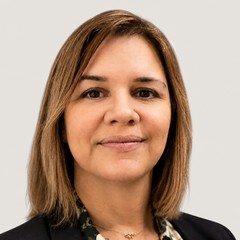
Technical Director, Protak Scientific
Pharmaceutical microbiologist leading Protak’s Enzyme Indicator team, with almost twenty years at GSK as a regulatory SME with the MHRA and FDA. Kate brings the field view, including what the first call sounds like after an unexpected result.

Global Head of Sterility Assurance, Moderna
Dan gives the manufacturer’s perspective, drawing on his general industry experience across sterility assurance.

Key Account Director, Protak Scientific
Robin hosts the session, keeping the discussion moving and bringing in questions from the audience throughout.
The technology
Biological indicators remain the qualification benchmark. That does not change.
What they cannot tell you is how much margin you had. Enzyme indicators are quantitative and non-viable, and give a result in approximately 60 seconds. Used from cycle development onwards, alongside biological indicators, they build a quantitative evidence base that belongs to your site.
The more often you verify your cycle, the faster you build the evidence base. And the more of your cycle you can explain rather than simply pass.
Annex 1 makes room for this. It permits alternative methods where equivalence or superiority is demonstrated, and says rapid and alternative methods and continuous monitoring systems should be considered. Routine enzyme indicator monitoring supports ongoing verification and trending between periodic qualifications. Enzyme indicators complement biological indicators. They do not replace them.
Who should attend
Validation and engineering professionals working with hydrogen peroxide bio-decontamination in isolators, and the quality and microbiology colleagues who review their work. The microbiology stays light. The implementation detail does not.
About
Protak Scientific provides validation lifecycle services for hydrogen peroxide bio-decontamination, backed by proprietary enzyme indicator technology. The enzyme indicator returns a quantitative result in approximately 60 seconds rather than days, and is in use across the pharmaceutical and life sciences industries worldwide.
VVF Science is an independent sterility assurance consultancy led by Vanessa Vasadi Figueroa, working with manufacturers on aseptic processing and contamination control strategy.
15:00 to 16:30 BST. Register and we will send you the recording.
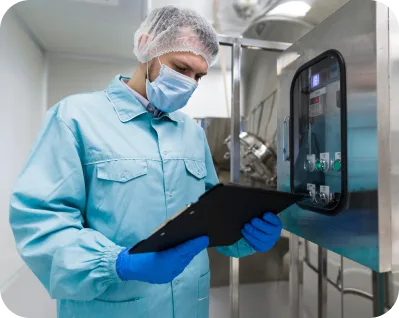
Read about the advantages and benefits of using our Enzyme Indicators for your H₂O₂
bio-decontamination validation processes.

Biological Indicators vs Enzyme Indicators at a glance.
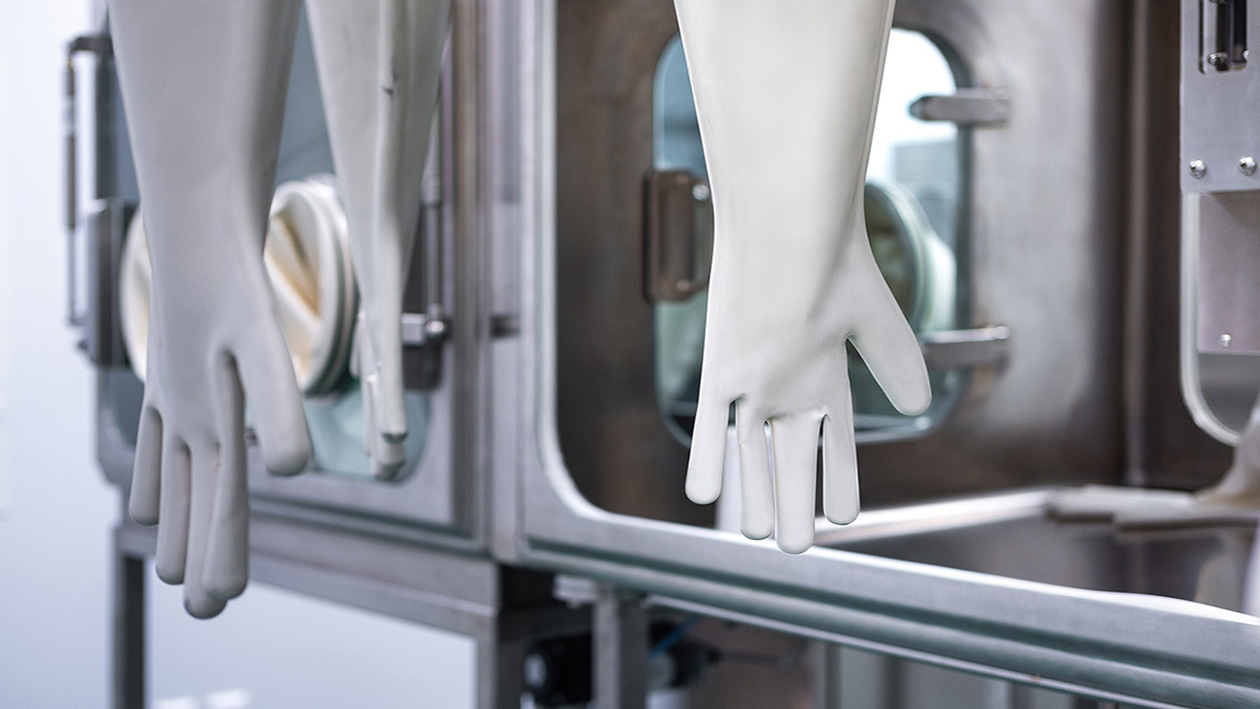
Presentations, white papers, webinars, shared articles, project summaries and product analysis.

Luminox House,
48 Holmethorpe Avenue
Redhill, Surrey
RH1 2NL
United Kingdom
Tel: +44 (0) 1737 924 900
Fax: +44 (0) 1737 924 901